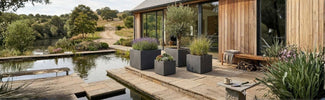
De grootste fouten bij plantenbakken en hoe je ze voorkomt (2026 gids)

The Biggest Mistakes with Planters and How to Avoid Them (2026 Guide)

, 10 min reading time

Planters are an essential part of any garden, patio, or balcony. Yet many mistakes are made when choosing or using an outdoor planter. The result? Poor plant growth, water problems, or even damaged containers.

Whether you opt for modern outdoor flower boxes or a robust solution for larger plants, the wrong choice can lead to long-term frustration. In this guide, you'll discover the 10 most common mistakes and how to avoid them.

Why People Choose the Wrong Planter

Many people choose a planter based purely on appearance, without considering functionality. But a good planter must not only look great — it also needs to work correctly from a technical standpoint.

The Most Common Causes:

  • Failing to account for water drainage
  • Choosing the wrong size for the intended plants
  • Using incorrect materials for outdoor use
  • Not considering placement and surface conditions

Important: A planter is not just decoration — it is a growth system for your plants.

The 10 Most Common Mistakes with Planters

1. Not Providing Drainage

One of the biggest mistakes is the absence of drainage holes. Without proper drainage, water collects at the bottom, causing root rot. This often leads to poor plant growth or even the complete death of the plant.

2. Choosing the Wrong Dimensions

A planter that is too small restricts root growth and dries out faster. One that is too large can be difficult to manage in terms of water balance. The right size creates a stable growing environment.

3. Using the Wrong Material

Not every material is suitable for outdoor use. Low-quality materials can crack in frost or fade under UV exposure. Durable materials such as corten steel or high-grade polyester offer a significantly longer lifespan.

4. Not Considering Placement

Placing a planter in the wrong spot can cause issues with sunlight, water drainage, and accessibility. Think carefully about the location before setting your planter in place.

5. Wrong Plant and Planter Combination

Not every plant suits every planter. Large plants need deep containers, while smaller species thrive in compact ones. A poor combination will hinder healthy growth.

6. Ignoring Water Management

Too much or too little water is a frequent problem. Without proper drainage or irrigation, issues arise quickly. A well-thought-out system prevents this entirely.

7. Unsuitable Surface

A planter placed on a soft or uneven surface can sink or tilt over time. This affects both the appearance and the functionality of the container.

8. Focusing Only on Price

Cheap planters may seem appealing, but they typically have a much shorter lifespan. Investing in quality prevents the need for early replacement and additional costs down the line.

9. Not Accounting for Weight

Filled planters can become extremely heavy. This is especially important for balconies or rooftop terraces. Always factor in the load-bearing capacity of the surface.

10. Choosing the Wrong Design (With or Without Base)

A planter with a base is ideal for terraces, while a model without a base works better when placed directly in the ground. The wrong choice can lead to serious drainage problems.

What Are the Consequences of These Mistakes?

  • Poor plant growth or complete plant failure
  • Water problems and root rot
  • Rapid wear and deterioration of the planter
  • An untidy appearance in your garden or outdoor space
  • Unnecessary additional costs

How to Choose the Right Planter (Step-by-Step)

  1. Determine the right size: Consider the root depth and growing space your plants need. Too little space restricts growth, while sufficient volume supports stable development and reduces maintenance.
  2. Choose the right material: Opt for weather-resistant materials such as corten steel or polyester. These stay looking great for years and can withstand rain, frost, and UV exposure.
  3. Check drainage: Make sure excess water can always escape through drainage holes or a drainage layer. This prevents root rot and keeps your plants healthy.
  4. Consider placement: Take into account sunlight, wind, and the surface beneath. A stable, well-chosen location makes a significant difference in plant growth and ease of use.
  5. Match to your situation: Choose a planter that suits your specific setting — balcony, patio, or garden each call for a different approach.
  6. Think about maintenance: Choose a solution that requires minimal upkeep, so you can enjoy it for longer without extra effort.

Right vs. Wrong Planter: The Difference

Factor Right Choice Wrong Choice
Plant Health Optimal growth Root problems
Durability Years of lifespan Rapid deterioration
Ease of Use Simple maintenance Frequent issues
Appearance Clean and well-kept Untidy and worn

Advantages and Disadvantages of the Right Planter

Advantages Disadvantages
Healthy plants and better growth Higher initial investment
Durable and low-maintenance More preparation required upfront
Clean, polished appearance Selection process takes time

Best Planters to Avoid Common Mistakes

  • Elongated Corten Steel Planter 200x40x40 cm
    ✔ Made from premium Class A corten steel for maximum durability
    ✔ Equipped with smart drainage to prevent water problems and root rot
    ✔ Reinforced construction to prevent bending or sagging
    ✔ Develops a natural protective layer against corrosion over time
    ✔ Timeless design that suits any garden or patio
  • Polyester Planter 60x60x60 cm
    ✔ Lightweight yet extremely strong for versatile use
    ✔ Resistant to UV radiation, frost, and moisture
    ✔ Suitable for balconies, terraces, and compact spaces
    ✔ Easy to maintain and colour-stable over time
    ✔ Optionally customisable with drainage and accessories
  • Polyester Planter 200x50x60 cm
    ✔ Large capacity for trees, shrubs, and bigger plants
    ✔ Modern aesthetic for sleek garden designs
    ✔ Weather-resistant and built for intensive outdoor use
    ✔ Versatile as a divider or statement design element
    ✔ Durable material with a long service life

Buying Guide: What Really Matters

Choosing the right planter involves more than aesthetics. It comes down to the right combination of functionality, durability, and ease of use. By making the right decisions upfront, you avoid problems and ensure an optimal growing environment for your plants.

  • Size and capacity: Choose a planter that offers sufficient space for root growth and water retention.
  • Drainage and water management: Verify that excess water can drain properly to prevent root-related issues.
  • Material selection: Go for materials that are resistant to weather and designed for long-term outdoor use.
  • Placement and stability: Ensure a flat, firm surface to prevent sinking or tilting over time.
  • Application: Match the planter to your specific use — balcony, garden, or patio each requires a different solution.
  • Maintenance: Choose low-maintenance materials that retain their quality without intensive care.

Frequently Asked Questions About Planters

Which planter is best for outdoor use?

The best outdoor planters are made from durable materials such as corten steel or polyester. These materials withstand rain, frost, and UV radiation, ensuring they remain in excellent condition for many years.

How do I prevent root rot?

Root rot is prevented by ensuring adequate drainage and using a well-aerated soil mix. Excess water must always be able to drain away so that roots are never left sitting in standing water.

What size planter do I need?

The right size depends on the plant species and the root space required. Larger plants need deeper and wider containers to grow healthily and remain stable over time.

Is a planter with a base better?

A planter with a base is ideal for terraces and balconies as it allows controlled water drainage. For use directly in the ground, a model without a base is often preferable for natural drainage.

Which planter requires the least maintenance?

Planters made from polyester and corten steel are extremely low-maintenance. They retain their appearance and structural quality without intensive care, making them ideal for long-term outdoor use.

Why Doika Stands Out

Doika combines practical expertise with a carefully curated product range, ensuring customers can always rely on durable and thoughtfully designed solutions. As a specialist in outdoor furnishings, Doika offers planters that are not only visually appealing but also technically engineered for long-term performance. With clear warranty terms, reliable service, and a straightforward return policy, you can invest with confidence in a solution that perfectly suits your outdoor space and specific requirements.

Conclusion: Avoid the Mistakes and Choose the Right Planter

Choosing the right planter makes a significant difference — both for the appearance of your outdoor space and the health of your plants. By considering factors such as material, drainage, and size, you avoid the most common mistakes and prevent unnecessary problems. A well-considered choice leads to less maintenance, better growth, and lasting results. Browse the full range and find a planter that perfectly matches your situation.


Frequently Asked Questions

Which planter is best for outdoor use?
The best outdoor planter is made from durable materials such as corten steel or polyester. These materials are resistant to rain, frost, and UV radiation, allowing them to last for years without losing quality.
How do I prevent root rot?
You can prevent root rot by ensuring good drainage and using an airy soil mix. Excess water should always be able to drain away so the roots do not stay constantly wet.
What size planter do I need?
The right size depends on the plant species and the root space required. Larger plants need deeper and wider planters to grow healthily and remain stable.
Is a planter with a bottom better?
A planter with a bottom is ideal for terraces and balconies because it drains water in a controlled way. For use in open ground, a model without a bottom is often better for natural drainage.
Which planter is maintenance-free?
Planters made from polyester and corten steel are very low-maintenance. They retain their appearance and quality without intensive upkeep, making them ideal for long-term use.

Latest blogs

  • 9 Veelgemaakte Fouten Bij Het Kopen Van Bronzen Beelden (En Hoe Je Ze Voorkomt)

    9 Common Mistakes When Buying Bronze Statues in 2026 (And How to Avoid Them)

    Read more 

  • De grootste fouten bij plantenbakken en hoe je ze voorkomt (2026 gids)

    The Biggest Mistakes with Planters and How to Avoid Them (2026 Guide)

    Read more 

  • 10 veelgemaakte fouten bij houtopslag die je absoluut moet vermijden in 2026

    10 common firewood storage mistakes you absolutely must avoid in 2026

    Read more 

Previously viewed by you

Login

Forgot your password?

Don't have an account yet?
Create account